
Forthcoming: October 2026
midwinter
Susan Connolly
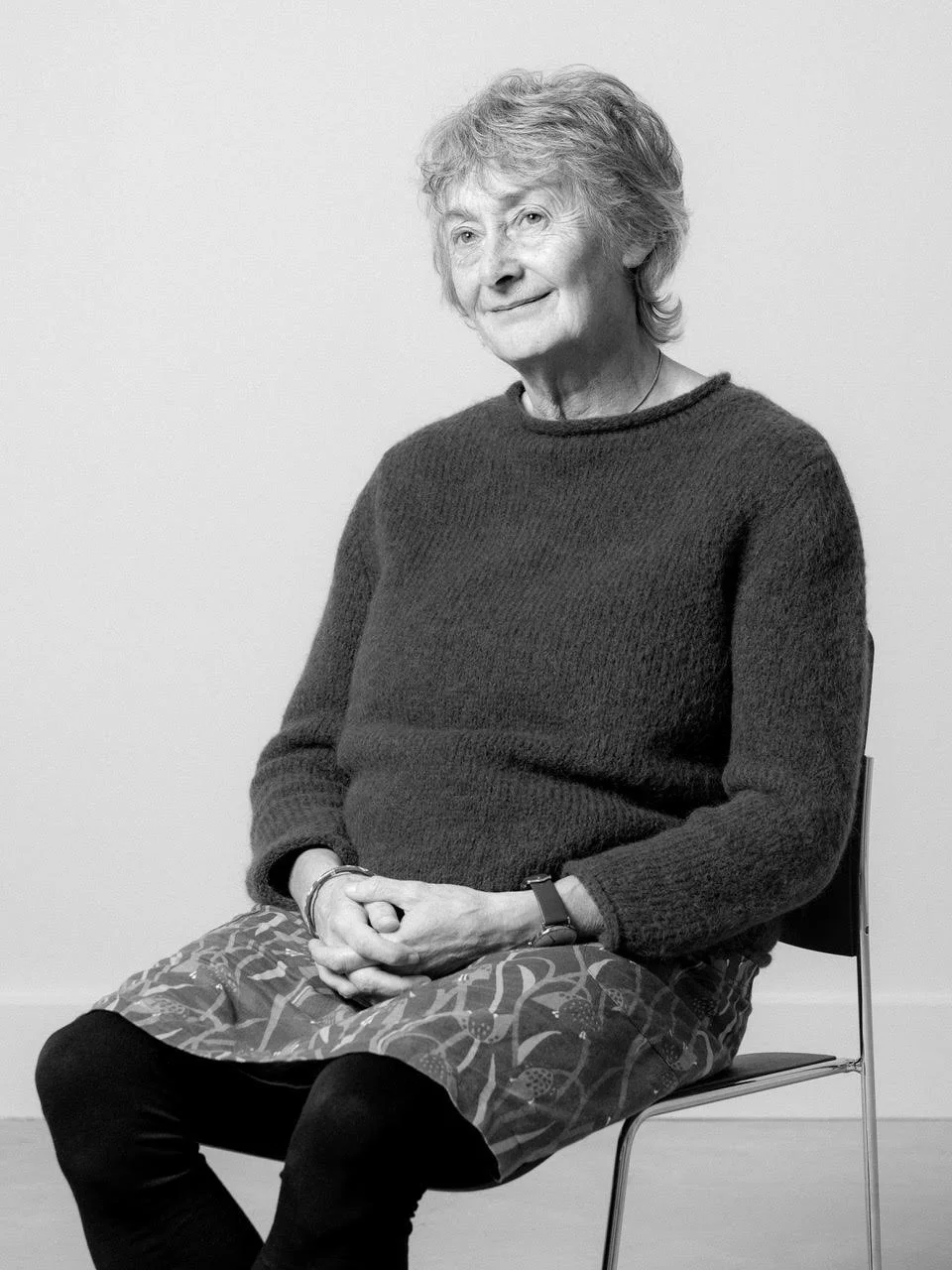
Brugh, Brú, Bro, Broe, Brow, Sí an Bhrú, Brú na Bóinne, Newgrange; Cnogba, Cnoc Búa, Chnó-guba, Knowth; the Boyne Cable Bridge, the Mary McAleese Bridge, the M1 Bridge. Different names for the same place, different meanings for the same sound. In midwinter Susan Connolly explores her home landscape in visual poetry using the typewriter, a letter stamp set and handwriting as a means of expression. Her collection includes 'The Orchard Keeper', her lyric sequence about the Co. Meath war-poet Francis Ledwidge.
Susan Connolly was born in Drogheda, Co. Louth where she still lives. She has published three full-length collections of poetry: For the Stranger (Dedalus Press, 1993), Forest Music (Shearsman Books, 2009) and Bridge of the Ford (Shearsman Books, 2016). She was awarded the Patrick and Katherine Kavanagh Fellowship in Poetry in 2001. In the same year she received a Publications Grant from the Heritage Council of Ireland for A Salmon in the Pool, a literary and place-names map of the river Boyne from source to sea.
Her poems have been published in journals and online in Ireland, the UK, Canada and Australia and are included in The Field Day Anthology: vol IV, Voices and Poetry of Ireland and Windharp: Poems of Ireland since 1916. Some of her work has been broadcast on The Poetry Programme on RTE Radio 1. Bridge of the Ford (2016), a collection of visual poetry, is her tribute to Drogheda. Redfoxpress published What Noise on Earth in 2019 and in 2022 her artist’s book Looking Across the River. Her poetry was exhibited at the Museum of Literature Ireland, Dublin in 2024 as part of the exhibition Is this a poem?
In 2024, she was awarded an Agility Award from the Arts Council of Ireland in to make POEM, a handwritten poetry map of the river Boyne from Newgrange to the sea using texts from writers who in their poetry have celebrated the Boyne. POEM takes the form of a concertina book over 3 metres long. Her books have been displayed and sold at Dublin Art Book Fair and at Drogheda Zine Fair.
This publication is supported by the Arts Council / An Chomhairle Ealaíon and the Shared Island Civic Society Fund, managed by the Department of Foreign Affairs and Trade of the Government of Ireland.
Releases from Macha Press
Dwelling
Máighréad Medbh
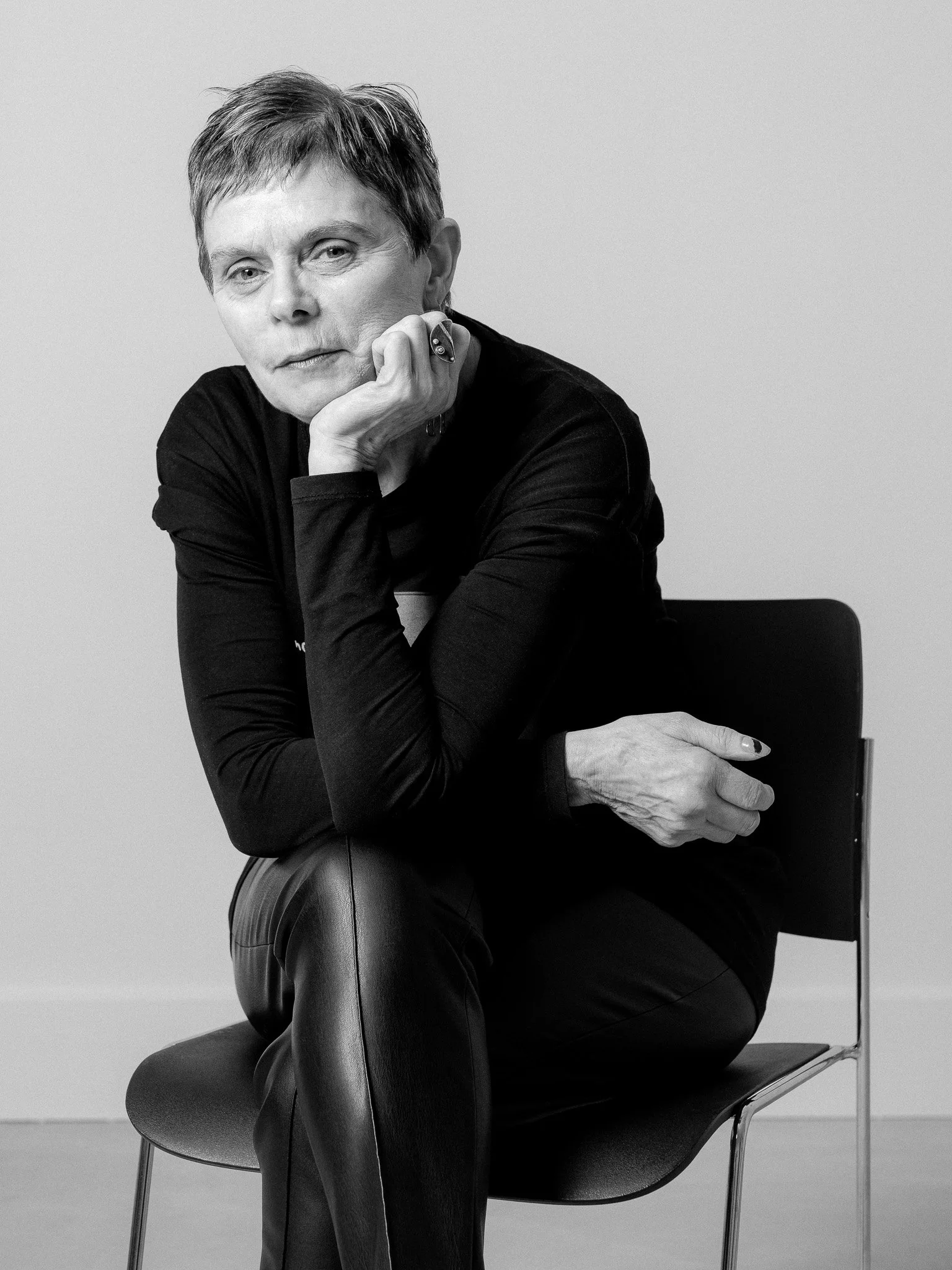
Dwelling is a work of excavation: lyrical, archival, and embodied. At its centre is the poet’s great grandmother, likely the subject of eviction during the clearances after the Irish Famine: a figure both spectral and grounding. From her displacement unfolds a meditation on ownership and loss, land and energy, and how memory itself is harvested and converted into power.
This hybrid text moves between poem, essay, and fieldwork, where turbines rise like white demigods over ancestral patches of ground, and wind is an agent of both inheritance and erasure. Through acts of walking, reading, and reimagining, the poet explores how stories and the human trace are preserved — and who preserves them — in a landscape forever rewritten by industry, weather, and the vagaries of history. The reader is drawn into the sense that the past, from ancient myths to emigration stories, is not just subject matter but a living archive that demands an equally compelling, emotionally resonant and formally inventive poetry.
A work of breath and vertigo, Dwelling asks: what does it mean to belong to land that no longer remembers you — or that you no longer recognize?
This publication has been supported by the Arts Council / An Chomhairle Ealaíon and the National Lottery through the Arts Council of Northern Ireland.
morsels
Susanna Galbraith

morsels is a formally ambitious multi-sequence debut collection from Belfast poet Susanna Galbraith. Galbraith’s innovations on the long poem form range from a chorus of fragmented yet confluent voices held in tension by repetition and verbal slippage, through lyrical meditations on mothering, daughtering and the dynamics of metamorphosis. The title series ‘morsels’ explores the ways language and its absences shape our relationships with one another, with natural environments, and with human and animal bodies. Across three interconnected sequences, Galbraith makes sensitive yet tough-minded forays into unstable, ever-evolving territories: love, death and memory, loss and anxiety, isolation and transformation, and the craft of poetry making.
With a keen ear for the incantatory power of words and the aural complexity of self-referential text, Galbraith’s sequences build meaning via networks of association that are at once formally bold and tantalisingly elusive, profoundly emotive and intellectually sharp. Her experimentation with erasure, structuralist poetics, the folk tale and the poem as visual field is in tune with a voice as fresh and daring as it is assured and elegant.
This publication has been supported by the National Lottery through the Arts Council of Northern Ireland, and also by Belfast City Council.

Crowd Work
Sam Furlong
Crowd Work is the venturous debut by writer Sam Furlong. With candour, its poems detail experiences of a body’s living, materialities it inhabits and shares with bodies and other species. Also, the qualities of pain, and the complexities and contradictions of intimacy.
From densely sculpted sonnets to capacious prose forms and ekphrasis, Furlong’s uses of image and tonal variation interweave voyeurism with masochisms and transfiguration. Devotional gestures are amplified from the private to many-voiced conversations, expressly in the sequence ‘Crowd Work’, an unflinching interrogation of the performative side of identity in stand-up’s public setting.
Radically amatory, this debut performs a body’s wanton poetries. Re-making forms, it renders explicit the means by which ‘Through breaking, we are made.
! All'arme / ? And what... if not
Eilish Martin

A ‘career apex’ poet whose natural home is at once on the margins and at the heart of the hybrid, Eilish Martin’s practice in ! All'arme / ? And what... if not is at once experimental, interdisciplinary and intercultural.
In content and visionary concept, the poetries published in this tête-bêche (head-to-toe) double book bring together lyrical fragmentation and narrative drive, language play, intertextual dialogue and textual innovation with unsettling anxieties and deep care for public and private worlds.
The 96-page collection catalogues some small part of what Martin herself has referred to as the ‘compulsive journey’ of her poetry-making and verbal-visual improvisations across the past ten years.